Alone: Elevating Design with Elegant Script Typography
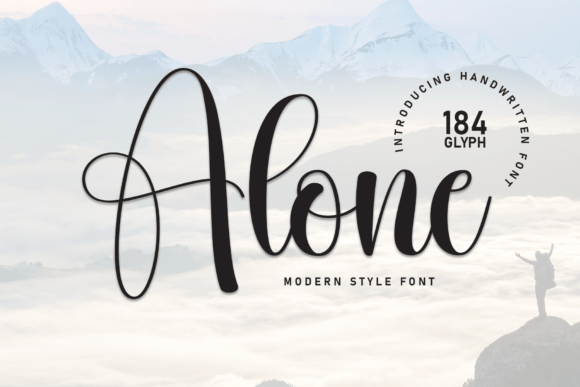
In the crowded landscape of digital communication, the right typeface can be the difference between a message that vanishes and one that resonates deeply. Among the myriad of creative assets available, the Alone script font emerges as a tool of sophisticated elegance, offering designers a way to inject personality and warmth into their projects. This stylish, handwritten font is more than just a collection of letters; it's a design solution that bridges the gap between digital precision and human touch, making it invaluable for a wide array of applications.
Understanding the Role of Script Fonts in Modern Design
Typography is a cornerstone of visual hierarchy and brand identity. While sans-serifs and serifs provide structure and readability, script fonts like Alone deliver emotion and authenticity. In an era where audiences crave genuine connection, a carefully chosen script can soften a brand's voice, add a layer of luxury, or evoke a sense of nostalgia. It’s a strategic choice within graphic design that directly influences user perception and engagement.
Practical Applications for the Alone Font
The versatility of a high-quality script font allows it to enhance numerous creative projects. Its elegant curves and fluid strokes make it particularly effective for designs that aim to feel personal and refined. Consider its impact across these key areas:
- Branding and Logo Design: Alone can form the core of a wordmark or complement a symbol, instantly giving a brand a human, artisanal, or luxurious feel. It's perfect for businesses in beauty, fashion, boutique hospitality, or wedding services.
- Marketing Materials: From thank you cards and wedding invitations to premium brochures and event flyers, this font adds a handwritten charm that makes physical and digital collateral more memorable.
- Social Media and Digital Content: Eye-catching Instagram quotes, Facebook headers, and Pinterest pins gain significant visual appeal with elegant script, boosting shareability and stopping the scroll.
- Website and UI Design: Used sparingly and strategically—for hero text, section headings, or call-to-action buttons—script fonts can guide the user's eye and add personality to a web design without sacrificing usability.
- Packaging and Editorial Design: On product labels, book covers, or magazine layouts, a font like Alone can elevate perceived value and attract a target audience looking for sophistication and style.
Integrating Typography into Your Design Workflow
Simply having a beautiful font isn't enough; its effectiveness depends on thoughtful integration. When incorporating Alone or any script typeface into your design workflow, prioritize these principles:
- Context is King: Match the font's tone to your project's goal and audience. A playful, casual script won't suit a formal corporate report, while a stiff, formal script may feel out of place on a children's product.
- Ensure Readability: Script fonts should generally be used for headlines or short bursts of text. For body copy, pair it with a highly legible sans-serif or serif to maintain clarity and a strong visual hierarchy.
- Test for Scalability: Check how the font renders at both large display sizes and small digital footprints. The fine details of a script must remain clear when scaled down for a business card or social media icon.
- Maintain Consistency: Establish clear typographic rules within your brand identity system. Define when and where to use the script font to ensure a cohesive and professional presentation across all touchpoints.
Ultimately, the choice of typography is a fundamental design decision that shapes communication. A resource like the Alone font provides a powerful way to convey elegance, personality, and intentionality. By selecting and applying such creative assets with care, designers and creators can transform standard layouts into compelling visual stories, strengthening brand identity and creating a more engaging, polished experience for their audience. Thoughtful design choices are what separate the ordinary from the extraordinary.