Bloshoming: Modern Script Font for Trendy Design
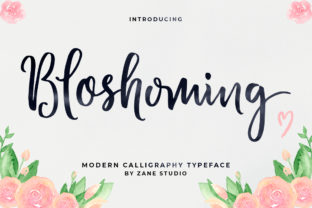
Imagine a typeface that captures the effortless elegance of a handwritten note while maintaining the polished edge of modern design. This is the essence of Bloshoming, a contemporary script font distinguished by its charming, irregular baseline. It’s more than just a collection of letters; it’s a visual statement. For graphic designers and creators seeking to infuse their projects with a fresh, feminine, and trendy aesthetic, Bloshoming offers a unique tool that bridges the gap between organic expression and professional application.
The Anatomy of a Trendy Script Font
What makes a font like Bloshoming stand out in a crowded marketplace of creative assets? Its value lies in its specific characteristics. The irregular baseline is a deliberate design choice that mimics the natural flow of hand-lettering, preventing the text from looking rigid or mechanical. This subtle imperfection is key to its modern appeal, aligning perfectly with contemporary design trends that favor authenticity and a human touch. The overall style leans into a soft, feminine sensibility, making it exceptionally versatile for projects aiming to evoke warmth, creativity, and approachability.
When evaluating any script font for a project, consider these key factors:
- Readability vs. Style: While decorative, a good script font must remain legible, especially at smaller sizes. Bloshoming’s design balances flair with clarity.
- Scalability: Test how the font renders from a large headline on a poster to a small caption on a website.
- Character Set: Check for multilingual support, ligatures, and alternate characters that can enhance typographic variety.
Practical Applications for Creative Impact
Integrating a font like Bloshoming into your design workflow can elevate numerous creative projects. Its primary strength is in establishing a strong, recognizable brand identity. Think of a boutique logo, a beauty product label, or a lifestyle blog header—the font instantly communicates a specific mood and personality, aiding in effective visual communication.
Beyond logos, its applications are extensive:
- Social Media Graphics: Create eye-catching quotes, promotional banners, and story overlays that stand out in a fast-scrolling feed.
- Website & UI Design: Use it for hero sections, call-to-action buttons, or accent headings to add a personal touch to digital platforms. Always pair it with a clean, highly readable sans-serif for body text to ensure good UX design principles.
- Packaging & Print Design: Its trendy aesthetic is perfect for packaging design for cosmetics, artisanal goods, or stationery, as well as invitations, greeting cards, and editorial layouts.
- Marketing & Advertising: From email headers to digital ads, Bloshoming can draw attention and reinforce a campaign’s creative direction.
Integrating Bloshoming into Your Design System
Successful graphic design relies on harmony and consistency. When incorporating a distinctive font like Bloshoming, it should complement your broader visual design system. Consider your color palette—soft pastels or muted tones often work beautifully with its feminine style, while high-contrast colors can create a more dynamic feel. Pay attention to visual hierarchy; use Bloshoming for headlines or key phrases where you want to draw the eye, and let more neutral fonts handle the informational heavy lifting.
Before finalizing, always test the font in context. View it on different screens, in print proofs, and alongside your imagery. Does it support the intended message? Does it enhance the user’s experience or distract from it? Thoughtful evaluation ensures that your choice in typography strengthens the overall professional presentation of your work.
In the dynamic field of digital marketing and visual design, the tools you choose directly influence the outcome. Selecting a font is a strategic decision that impacts branding, user engagement, and aesthetic quality. By understanding the unique qualities of assets like Bloshoming and applying them with intention, designers can craft more compelling narratives, build stronger connections with audiences, and ultimately create work that is both beautiful and effective.